Physiotherapist · London · Online
Physiotherapy that
starts this week.
Assessed on video. Written down. Followed up. Md Mizanur Rahman treats back, neck, shoulder, knee, sports and post-operative problems — without a waiting list and without leaving your house.
Treatment plan
Low back pain · desk-based work
- Isometric holds5 × 30sPain ≤ 3/10
- Hip hinge, unloaded3 × 8Slow, controlled
- Walking10 min × 2Flat ground
- Romanian deadlift3 × 8Add 2.5 kg weekly
- Split squat3 × 10 eachTempo 3-1-1
- Dead bug3 × 10 eachRibs down
- Loaded carries4 × 30 mHeavy but tidy
- Return to running1 / 2 min × 8Build 10% weekly
- Online, UK-wide
- 45-minute first assessment
- No GP referral needed
- Usually a same-day reply
Where it hurts
Tell me where the problem is.
Most people arrive knowing the location and nothing else. That is enough to start with — pick an area and see how it gets treated here.
Point at where it hurts
Start where it hurts.
Pick the part of the body that is giving you trouble and I will show you what treatment for it looks like here. Most people start with the back, a shoulder, or a knee.
How it works
Four steps, and you know where you stand after the first one.
The sequence matters: nothing is prescribed before it has been assessed, and nothing is left running without a review.
- 01
Message on WhatsApp
Tell me what hurts and roughly how long it has been going on. I reply with the next available times — usually the same day.
- 02
Video assessment
Forty-five minutes. History, a guided movement assessment on camera, and a straight explanation of what I think is happening and why.
- 03
Your written plan
A progressive plan lands in your inbox after the call: what to do, how much, and what has to change before you move up a stage.
- 04
Review and progress
We check in as the plan progresses. Plans get adjusted — the first version is a starting point, not a prescription set in stone.
Step 02, up close
Forty-five minutes, and none of it is paperwork.
The first appointment is the one that decides whether the rest is worth booking. Here is exactly where the time goes.

- 0–8 min
What happened
When it started, what you have already tried, and — the part most forms miss — the specific thing you have stopped doing because of it.
- 8–20 min
Watching you move
Squat, hinge, reach, balance, single-leg work. I talk you through each one on camera and watch how you compensate, not just how far you get.
- 20–28 min
Narrowing it down
Targeted range, strength and pain-provocation tests until the list of likely causes is one or two things rather than nine.
- 28–36 min
The explanation
What is going on, in words you can repeat to someone else, and an honest timeline — including whether this needs a scan or a pair of hands instead.
- 36–45 min
Week one, written down
Two to four exercises with sets, reps and a stop rule, plus what to avoid. It reaches you the same day, in writing, not as a verbal summary.
Who books this
Three different problems, one way of working.
Most of the caseload sits in one of these three. If yours does not, it is still worth asking.
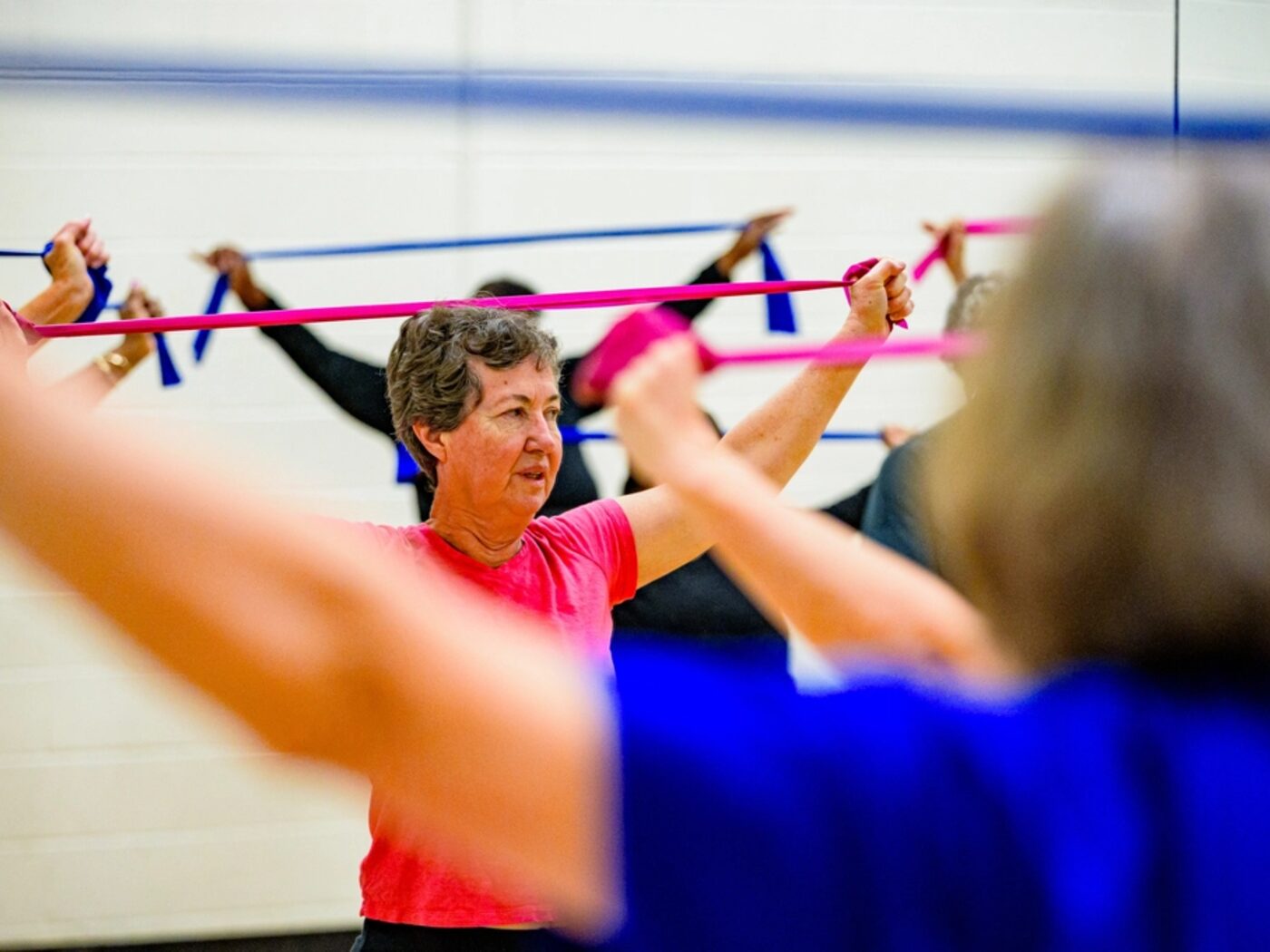
Staying independent
Older adults
Strength, balance and confidence on stairs — the work that keeps a fall from being the thing that changes everything.
What that involves
Getting back to it
Runners and gym-goers
Achilles, shins, knees and shoulders. A return-to-sport plan with numbers in it, not a vague instruction to rest.
What that involves
Nine to five, seated
Desk-based workers
Necks, low backs and wrists that hurt by Thursday. Fixed with load and habit changes rather than a new chair.
What that involvesServices
Fifteen ways in, one way of working.
Whatever the referral reason, the method is the same: assess properly, explain plainly, load progressively, review honestly.
Consultation
4Where every case starts
Rehabilitation
7Structured recovery, in stages
Pain and load
4Settling symptoms, rebuilding capacity
Why it goes in stages
Rest is not a plan, and neither is pushing through.
Tissue adapts to load it can handle and complains about load it cannot. Almost every stalled recovery is the same picture on the left.
What usually happens
Rest, test it, flare, repeat
Four good days, one ambitious one, a week paying for it. The tissue never gets a dose it can adapt to, so the shaded band never widens — twelve weeks later you are where you started.
What a plan does
Load it just under the ceiling
Each step is held until you meet its criteria, then raised. Because the load lands inside what the tissue can take, the band moves up with you — and by week twelve the ceiling is somewhere useful.
- What the tissue can take
- Unplanned load
- Planned load

Who you will be talking to
Md Mizanur Rahman
I run The Physionest UK on my own, which means the person who assesses you is the person who writes your plan and the person who reviews it. Nothing gets handed over and nothing gets lost between appointments.
My work is musculoskeletal: sports injuries, orthopaedic and post-operative rehabilitation, persistent pain, and keeping older adults steady on their feet. If your problem needs hands-on treatment or imaging, I will say so rather than sell you a package.
More about how I workQuestions
The things people ask before booking.
Next step
Send a message describing the pain.
I will tell you if I can help.
No forms, no call centre. A WhatsApp message with what hurts and how long it has been going on is enough to get started.