A proper assessment before anything is prescribed: history, movement testing, and a diagnosis you can repeat to your GP.
Goniometer
Range measured, not estimated — so week six can be compared with week one.
Online consultation
A full physiotherapy appointment over video, from wherever you are.
We talk through your history, what brought the problem on, what makes it worse, and what you need to get back to. You finish the call knowing what is going on and what to do about it.
A guided movement assessment — I watch how you move and tell you what I see.
I take you through a sequence of movements on camera and read them the same way I would in a clinic room: range, control, where the pain starts, where it stops. You get a clear explanation, not a leaflet.
A written plan built for your body, your job, and your week.
Every plan is progressive: what to do now, what changes in two weeks, and the signs that tell you it is time to move on. Written in plain language, sent to you after the call.
One question, one honest answer — including when the answer is 'see someone in person'.
Short sessions for when you do not need a full course of treatment. Is this safe to train on? Should I be worried about this scan result? What should I do for the next ten days?
Structured recovery from injury back to the thing you stopped doing.
Rehab has stages, and skipping them is why injuries come back. We work through them in order, with the criteria for each stage agreed up front so you know where you are.
From acute injury to full return to sport, with return criteria you can test.
Hamstring, ankle, ACL, shoulder, tendon problems. We build back strength, speed and confidence in the movement, and we test before you go back rather than guessing.
Recovery guided by your surgeon's protocol and your actual progress.
Joint replacement, fracture, ligament repair, spinal surgery. We follow the protocol you were given and fill in the part it does not cover: what to do on the days between.
Muscles, joints, tendons and nerves — the everyday problems that stop you moving.
Musculoskeletal work covers most of what walks through a physio door: strains, impingement, tendinopathy, joint stiffness, nerve irritation. Assessed properly, treated in order.
Balance, strength and confidence on your feet, worked on gently and consistently.
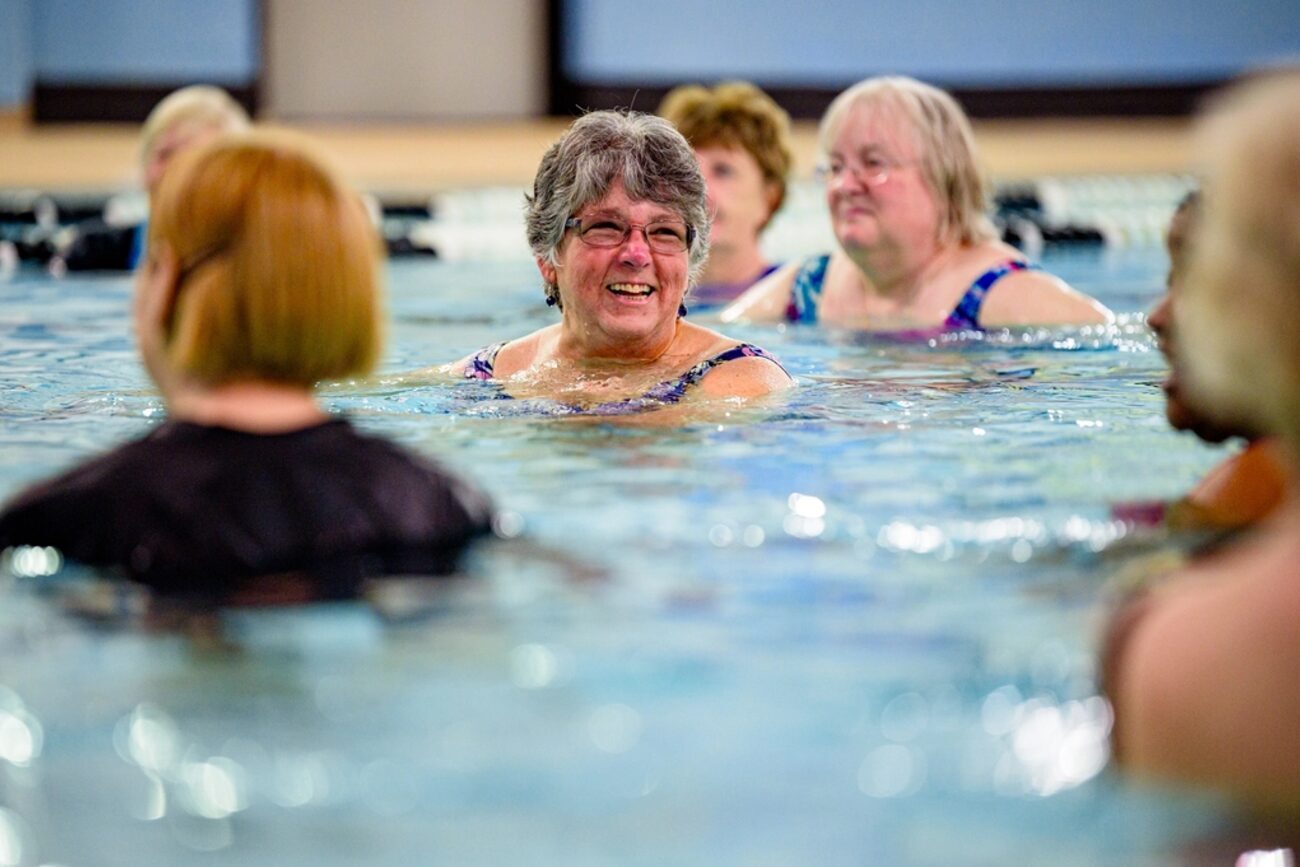
For older adults and their families. Falls prevention, getting up from a chair, walking further without stopping, staying independent at home. Family are welcome on the call.
Pain that has lasted days, and pain that has lasted years — treated differently.
Acute pain needs settling and protecting. Persistent pain needs pacing, graded exposure and an understanding of why it behaves the way it does. The two are not the same problem.
Training and work loads planned so your body keeps up with your ambition.
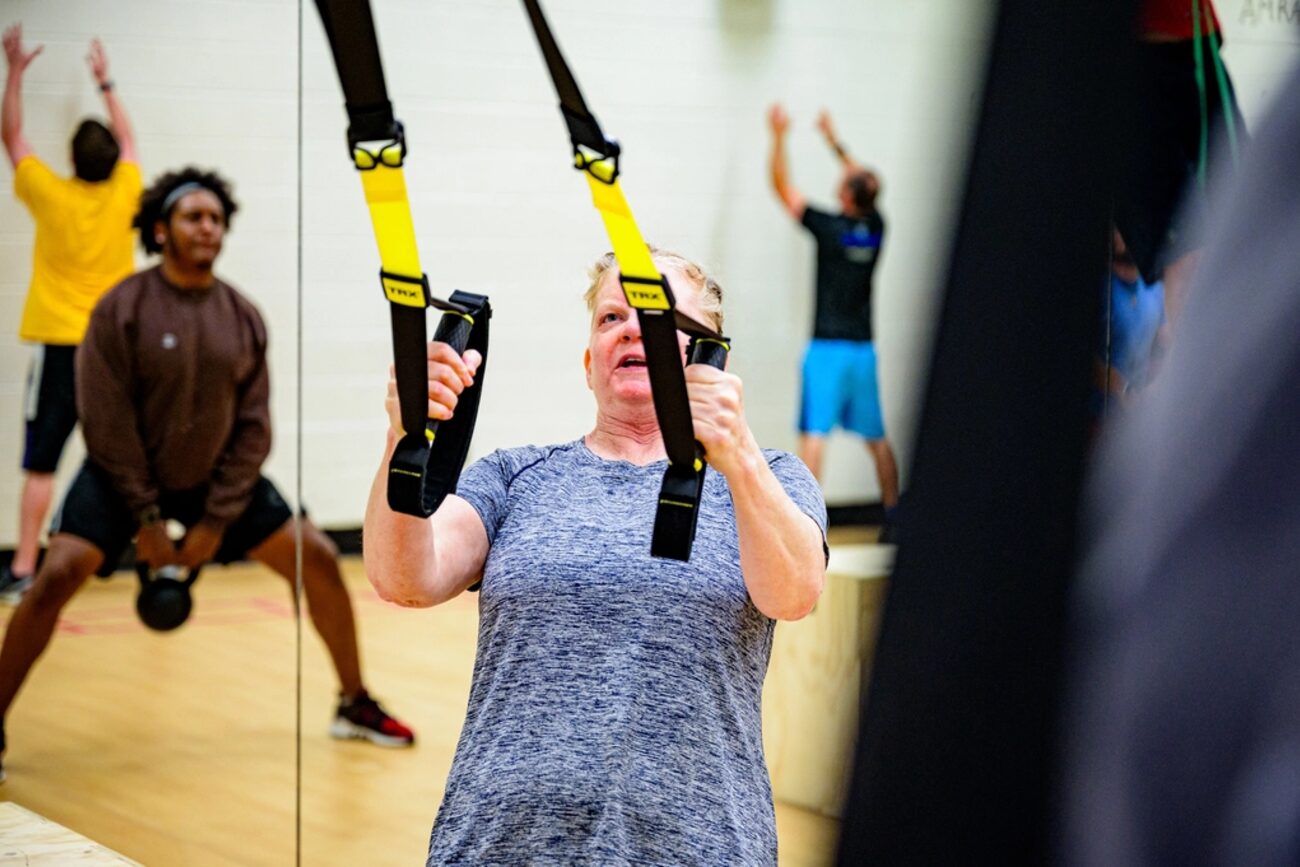
For runners adding mileage, lifters adding weight, and anyone whose job is physical. Most overuse injuries are a scheduling problem before they are a tissue problem.